

How to Create a Devotional Home Altar
There is a quiet power in a space set apart. A corner of the home given wholly to the Divine — however small — changes the way we enter it. The moment you sit before an altar, something in the mind already begins to still, because the place itself has come to mean stillness. As Paramahansa Yogananda often reminded us, “Environment is stronger than will power.” An altar is simply environment, arranged with love, working quietly on your behalf.
You do not need much to begin: a surface, a sacred image, a flame, and the intention to return. This is a gentle, practical guide to setting up a home altar that will serve your daily practice for years.
What an altar is for
An altar is not decoration, and it is not for show. It is a focal point for devotion — a place that gathers your attention and turns it inward and upward. Day after day, sitting in the same spot before the same images, the mind learns the association: here, I become quiet. Over time the altar becomes one of the most peaceful places in your home, and simply walking past it can soften the heart.
Choosing the place
Find a quiet corner where you can sit undisturbed — a spot away from the busyness and noise of the household. It need not be a whole room; a corner, a windowsill, a shelf, or a small low table is enough. What matters is that it feels set apart, and that you can return to it at the same time each day. If you can, choose a place you will see often, so it gently calls you back to practice.
Choosing the surface
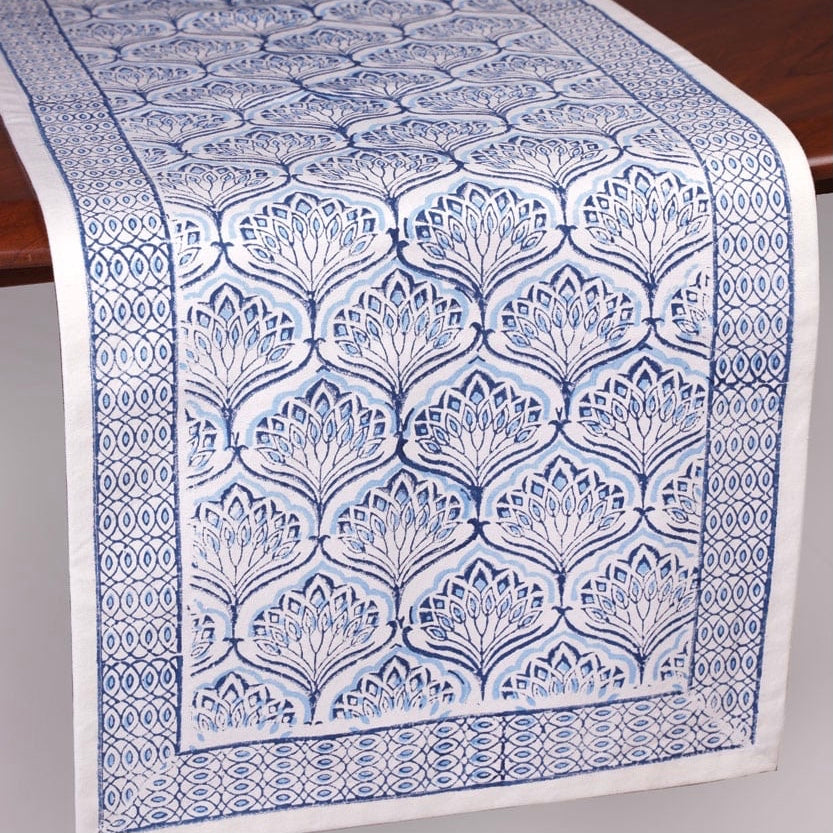
A small table, a low chest, or a dedicated shelf all make a fine altar. Cover it with a cloth that feels sacred to you — many devotees use a simple, beautiful altar cloth to set the surface apart from ordinary furniture. The cloth is a small thing, but it marks a threshold: everything placed upon it is held a little more reverently.
The heart of the altar: the sacred image
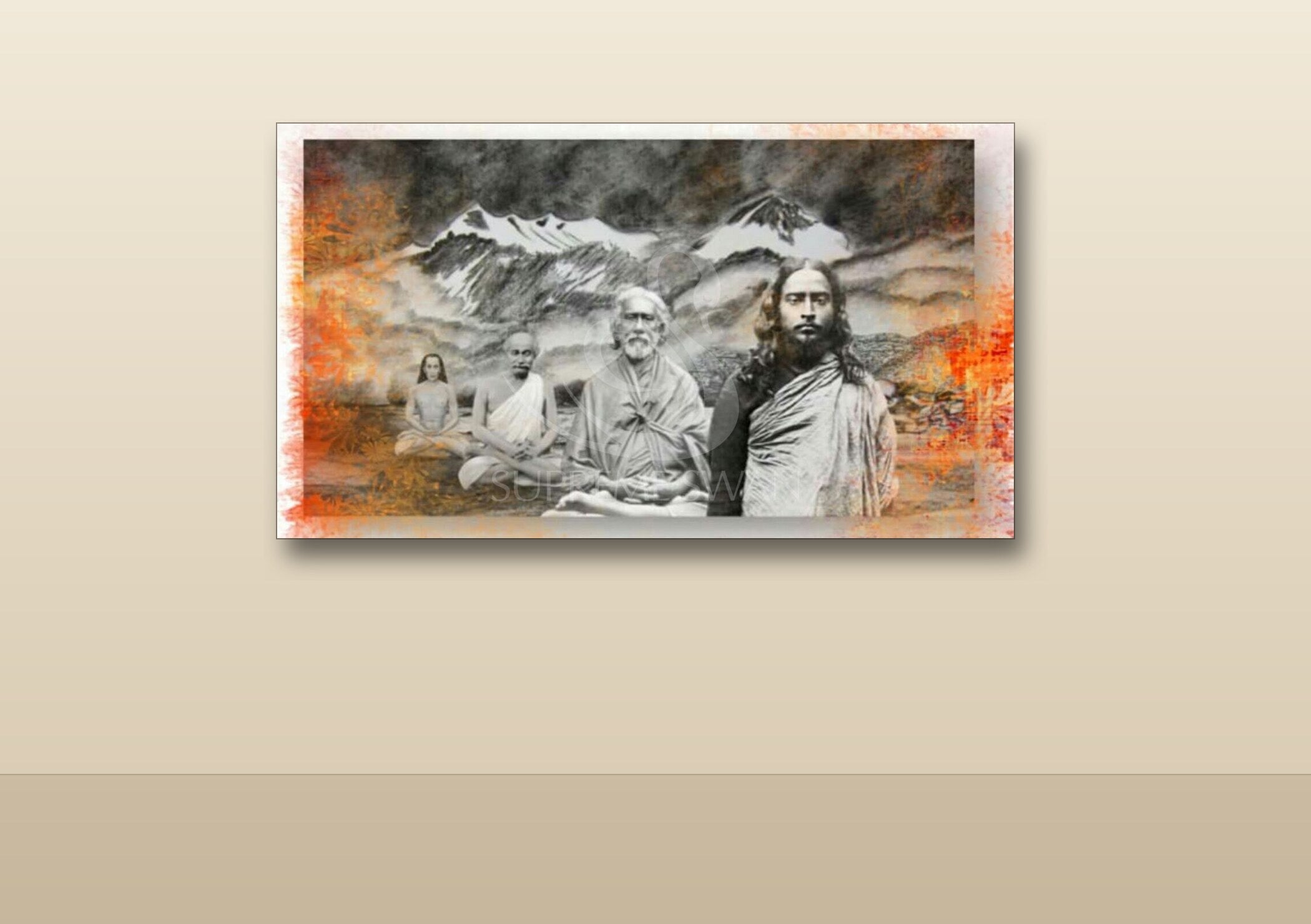
At the center of the altar belongs the image that draws your devotion — the form of God or Guru that your heart turns to. For many in the Kriya lineage, this is the line of Gurus, or a beloved portrait of Paramahansa Yogananda; for others it may be Krishna, the Divine Mother, or another cherished form. A clear, beautiful image at eye level when seated gives the gaze somewhere to rest and the heart someone to meet.
A canvas print of the Gurus makes a quietly powerful focal point — gallery-wrapped and ready to hang on the wall just above the altar, or to stand upon it. Many devotees place the SRF line of Gurus at the center, with the whole lineage gathered in one view.
Light, incense, and offerings
A flame — a candle or small oil lamp — is the traditional heart of devotion, a symbol of the light of Spirit and of your own aspiration. Light it as you sit, and let it mark the beginning of your practice.
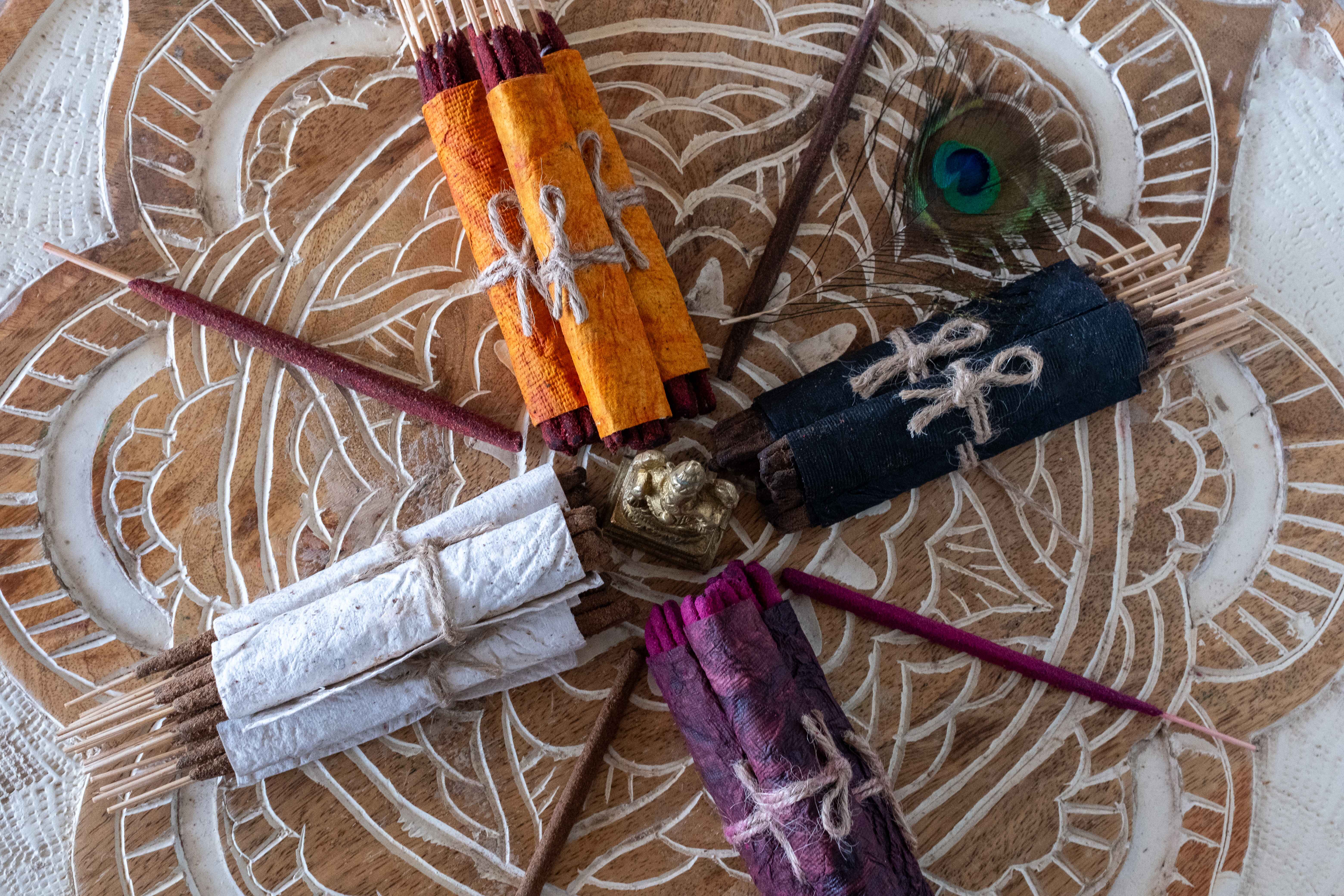
Incense prepares the space and the senses. A few minutes before sitting, light a stick of natural handrolled incense and let the fragrance settle the room; the scent itself becomes, in time, a signal to the mind that it is time to turn within. Many devotees also offer flowers, or a small bowl of water or fruit — simple gestures of gratitude and surrender that keep the altar alive and tended.
A dedicated seat nearby
An altar invites you to sit, so give yourself a proper place to do so — a cushion, a folded wool-and-silk blanket, or a chair kept just for practice. Keeping the same seat by the altar deepens the association and makes the daily return effortless. (If you sit in a chair, our guide to meditating in a chair walks through how to set the seat for an upright, restful posture.)
Keeping the altar alive
An altar is tended, not just assembled. Keep it clean and free of dust and clutter — the care you give it is itself a form of devotion and respect for your practice. Refresh the flowers, change the water, light the lamp each day. And let it evolve: as your practice deepens, you may add an image, remove a distraction, or rearrange what no longer feels true. A living altar grows with you.
Altars for small spaces
You do not need a spare room. A single shelf, the top of a dresser, a windowsill, or a small folding table tucked into a corner can hold a complete altar: a cloth, one sacred image, a small lamp, and a place for incense. In a shared or compact home, even a small handcrafted altar or a single framed image can become the still point the whole home quietly orients around. What matters is not the size, but the devotion with which it is kept.
Frequently asked questions
Which direction should my altar face?
Many practitioners like to face east (toward the rising sun) or north when they sit, and so place the altar on the east or north wall. It is a lovely tradition, but not a rule — a quiet, undisturbed spot where you will actually return each day matters far more than the compass.
What should I put on my altar?
At minimum: a clean cloth, a sacred image that draws your devotion, and a flame. From there, add what is meaningful to you — incense, fresh flowers, a small bowl of water, a mala, or a photograph of your Guru. Keep it simple and uncluttered; an altar breathes better with a little space.
Do I need a picture of a Guru or deity?
A focal image helps the gaze and the heart settle, but it should be one that genuinely calls to you. Choose the form of God or Guru your devotion naturally turns to — that is what makes an altar yours.
Can I keep an altar in my bedroom or a small apartment?
Yes. A bedroom corner, a shelf, or a windowsill is perfectly suitable, and a small altar is no less sacred than a large one. If privacy or space is tight, even a single shelf with a cloth, an image, and a lamp is a complete and beautiful altar.
How do I care for my altar?
Keep it clean and dust-free, refresh any flowers or water, and light the lamp and incense as part of your daily sitting. Tending the altar is itself a small, steadying devotion.
May your sacred corner become the stillest place in your home.

